
Vitamin
Folate
The neural tube closes within the first 28 days of pregnancy — often before a woman knows she is pregnant. That single piece of timing is why folate is fortified into flour in more than eighty countries.
What it does
Folate carries single-carbon units around, and the reactions that need them are the ones that build DNA. Any tissue dividing quickly — bone marrow, gut lining, a growing embryo — depends on a steady supply.
Without it, cells begin division and cannot finish. In marrow this produces megaloblastic anaemia, the same picture B12 deficiency causes, because B12 and folate meet in the same reaction.
In an embryo, the failure is structural. The neural tube — which becomes the brain and spinal cord — closes between days 21 and 28 after conception. Adequate folate at that moment substantially reduces the risk of spina bifida and anencephaly. Adequate folate two months later does not help.
How much you need
| Who | Per day | Note |
|---|---|---|
| Infants, 0–6 months | 65 µg DFE | Adequate Intake |
| Infants, 7–12 months | 80 µg DFE | Adequate Intake |
| Children, 1–3 years | 150 µg DFE | — |
| Children, 4–8 years | 200 µg DFE | — |
| Children, 9–13 years | 300 µg DFE | — |
| Ages 14 and over | 400 µg DFE | — |
| Pregnancy | 600 µg DFE | — |
| Breastfeeding | 500 µg DFE | — |
DFE means dietary folate equivalents, which exist because folic acid from supplements and fortified food is absorbed roughly 1.7 times better than folate from food. Public health guidance in most countries is that anyone who could become pregnant takes 400 µg of folic acid daily — not once pregnant, but beforehand, precisely because of the timing above.
From our own data
The foods highest in folate
The name comes from folium, Latin for leaf, and the ranking bears it out: leafy greens, legumes, liver and — where the law requires it — fortified flour.
- 1
 Goose liver, raw184% · DV
 - 2
 Chickpeas, dry139% · DV
 - 3
 Lentils, dry120% · DV
 - 4
 Chicken giblets, simmered103% · DV
 - 5
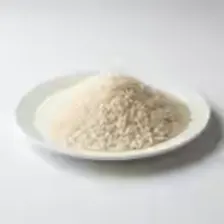 White short-grain rice, enriched, dry97% · DV
 - 6
 White cornmeal, self-rising and enriched94% · DV
 - 7
 Soybeans, dry94% · DV
 - 8
 Lupin beans, dry89% · DV
 - 9
 Wheat germ88% · DV
 - 10
 Soy flour, full-fat86% · DV
 - 11
 Arrowroot, raw84% · DV
 - 12
 Macaroni cheese, dry mix84% · DV
Per 100 g, from our copy of USDA FoodData Central, against a Daily Value of 400µg. Ranked by amount, not by how much of it your body actually takes up — read the next section before you act on the order.
The table above is per 100 g. The app weighs the portion you actually ate.
What helps, and what gets in the way
Helps
- Eating greens raw or lightly cooked, since folate is heat-sensitive
- Legumes, which are dense in it and keep it better than leaves do
- Fortified flour and cereals, where mandated
Gets in the way
- Prolonged boiling, which can destroy or leach away most of it
- Alcohol, which impairs absorption and increases excretion
- Methotrexate and some anticonvulsants, which are folate antagonists
- Coeliac disease and other malabsorption
One caution about supplements. High folic acid intake can mask the anaemia of B12 deficiency while the neurological damage progresses unnoticed — which is why the upper limit of 1,000 µg for adults exists, and why a B-complex is a poor way to self-treat tiredness.
Who tends to fall short
Groups where intake or absorption is commonly lower than the reference. It is a list of populations, not a list of symptoms — it cannot tell you anything about yourself.
- Anyone who could become pregnant and is not supplementing
- People with alcohol use disorder
- People on methotrexate, sulfasalazine or certain anticonvulsants
- People with coeliac disease or inflammatory bowel disease
Cook it
Warm lentil salad with asparagus and soft egg
Two, twenty-five minutes
Ingredients
- 150 g Puy lentils
- 250 g asparagus, woody ends snapped off
- 2 eggs
- 2 tbsp olive oil
- 1 tbsp sherry vinegar
- 1 shallot, finely diced
- A handful of parsley
Method
- 1Simmer the lentils, do not boil themTwenty minutes at a bare simmer in unsalted water. A rolling boil splits their skins and you end up with soup.
- 2Steam the asparagus brieflyThree to four minutes, still with a bite. Folate is one of the most heat-fragile vitamins, and asparagus boiled to softness has given most of it up.
- 3Soft-boil the eggsSix and a half minutes from boiling, then into cold water and peeled carefully.
- 4Dress warmShallot, vinegar and oil over the drained lentils while still hot; asparagus and parsley folded in; eggs halved on top.
Lentils, asparagus and egg yolk are all strong folate sources. Keeping the cooking short is not fussiness here — it is most of the difference between the number on the label and the number on the plate.
Sources
- NIH Office of Dietary Supplements — Folate
- Dietary Reference Intakes for Thiamin, Riboflavin, Niacin, Vitamin B6, Folate and Vitamin B12
- USDA FoodData Central
This page is education, not medical advice. It does not diagnose anything and it is not a substitute for a clinician who knows your history. If you think you are short of folate, the answer is a blood test and a conversation, not a supplement bought on the strength of an article.
Every food above, and 12,601 more, with the full panel — in the app.