
Iron
Carried in haemoglobin, which is how oxygen reaches muscle.
Found in: Liver, lentils, spinach, red meat, fortified grains
The data
Where the numbers come from, what they can tell you, and — just as important — what they cannot.
Wise Eating carries 12,601 foods from USDA FoodData Central, bundled with the app rather than fetched from a server. That means a lookup is instant, it works on a plane, and nothing about what you searched for leaves the device.
Each food carries 39 nutrient fields: 22 vitamins, 11 minerals, the macronutrients, fibre and sugars. Values are available per serving and per 100 g, and you can switch between the two without leaving the panel — which matters more than it sounds, because almost every argument about whether a food is "high" in something is really an argument about the denominator.
USDA data is American in origin and international in practice. Canada's tables draw on it heavily. Researchers worldwide cite it. Most countries have no national composition table of comparable depth at all, which is why software built anywhere tends to end up here.
Composition is a property of the food, not of the border it crossed. A lentil in Sofia and a lentil in Seattle are the same lentil. What genuinely varies — soil, variety, storage, cooking — varies inside a country as much as between two of them, and the app treats every figure as an estimate for exactly that reason.
Worth knowing
Not a diagnosis and not a shopping list — just what these things do, and which foods carry them.
Carried in haemoglobin, which is how oxygen reaches muscle.
Found in: Liver, lentils, spinach, red meat, fortified grains
A cofactor in several hundred enzyme reactions, muscle and nerve among them.
Found in: Pumpkin seeds, almonds, black beans, dark chocolate
Immune function, wound healing and the sense of taste.
Found in: Oysters, beef, chickpeas, cashews, pumpkin seeds
Protein metabolism, and the making of several neurotransmitters.
Found in: Chickpeas, tuna, salmon, potatoes, bananas
Calcium absorption and bone maintenance; most of it comes from sunlight, not food.
Found in: Oily fish, egg yolk, fortified milk
Cell division and DNA synthesis; the reason it matters before and during pregnancy.
Found in: Leafy greens, legumes, asparagus, fortified flour
Nothing on this page is medical advice, and no food prevents or treats a condition. If you think you are deficient in something, the answer is a blood test and a clinician, not an app.
Honesty
When a nutrient was never measured for a food, Wise Eating shows a dash. When it was measured and came back at zero, it shows a zero. Most apps quietly merge the two, and the result is a daily total that looks complete and is not.
The same rule runs through everything derived: where a value is estimated rather than measured, it is labelled as estimated, and where a food has no data at all it is left out of the total rather than counted as nothing.
Where they live
Not the highest-scoring foods — those are almost all liver — but the ones you might actually put on a plate, each filed under the nutrient it is genuinely notable for.
 Oysters, cannedZinc · 99 mg
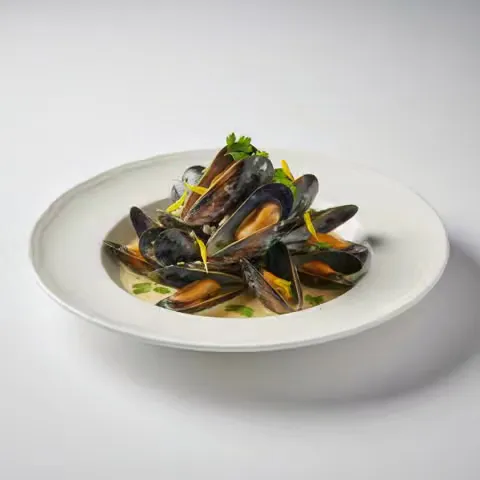 MusselsVitamin B12 · 13 µg
 Acerola cherry, rawVitamin C · 1,680 mg
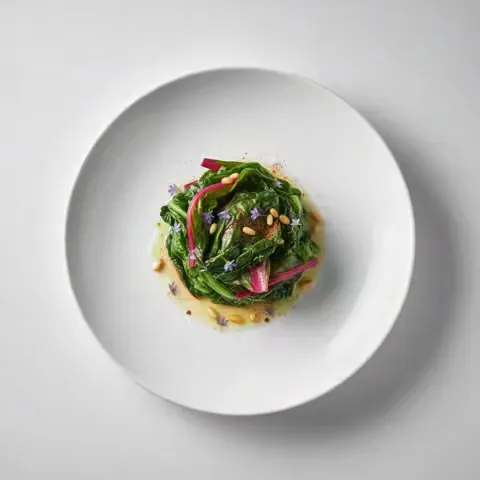 Chard, cookedVitamin K · 866 µg
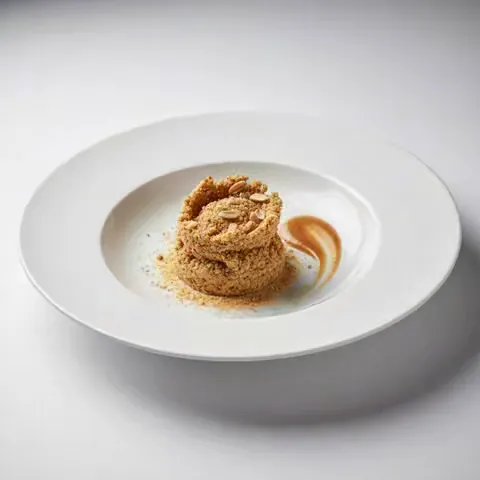 Wheat germ, rawManganese · 13 mg
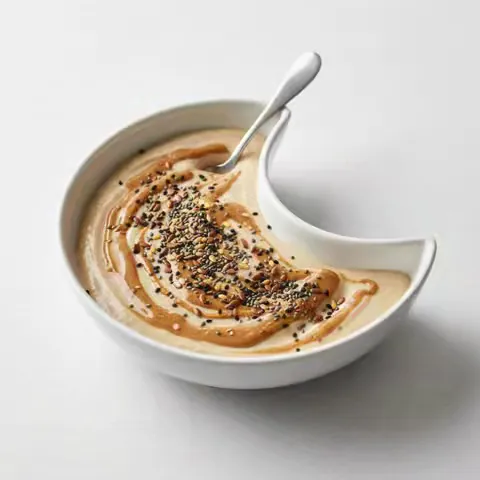 Sesame pasteCopper · 4.2 mg
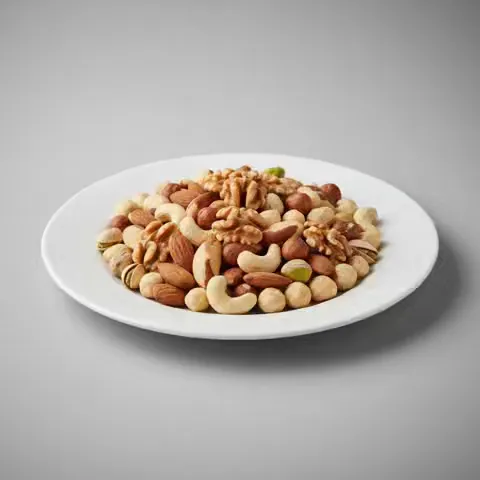 Mixed nuts, rawSelenium · 147 µg
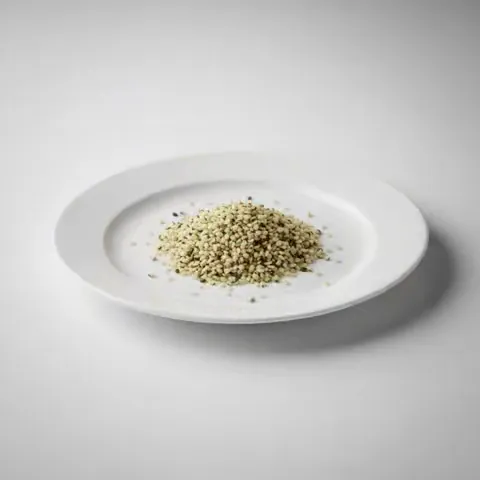 Hemp seeds, hulledMagnesium · 700 mg
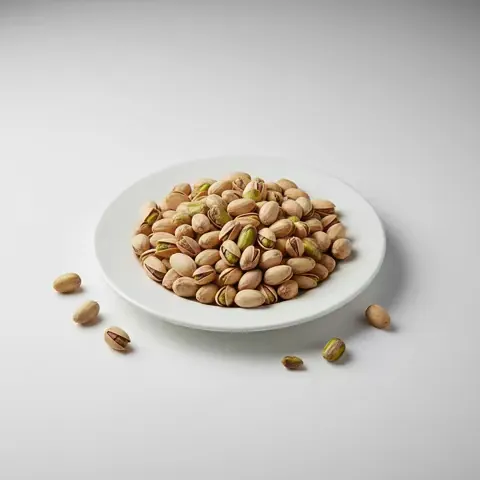 Pistachios, rawVitamin B6 · 1.7 mg
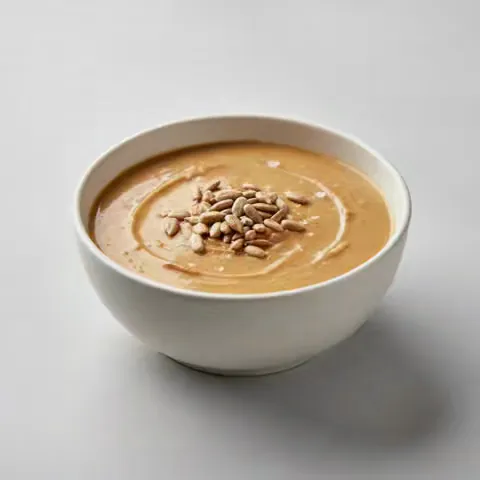 Sunflower seed butter, saltedVitamin E · 45 mg
 Egg yolk, rawCholine · 820 mg
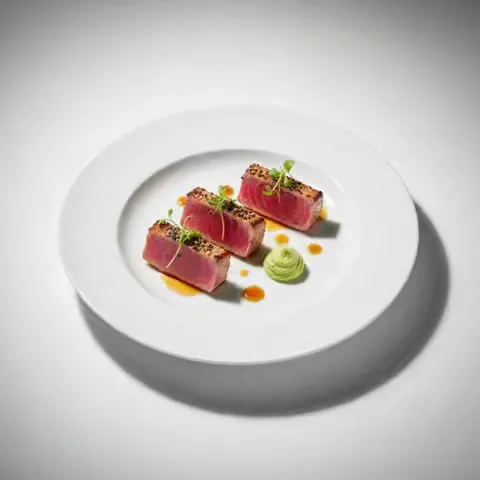 Tuna, cookedNiacin · 23 mg
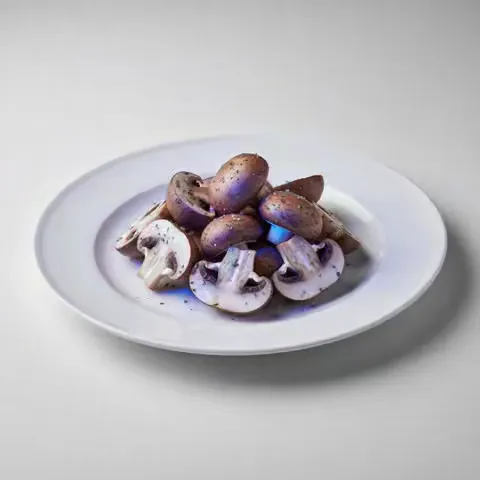 Chestnut mushrooms, UV-treated, rawVitamin D · 32 µg
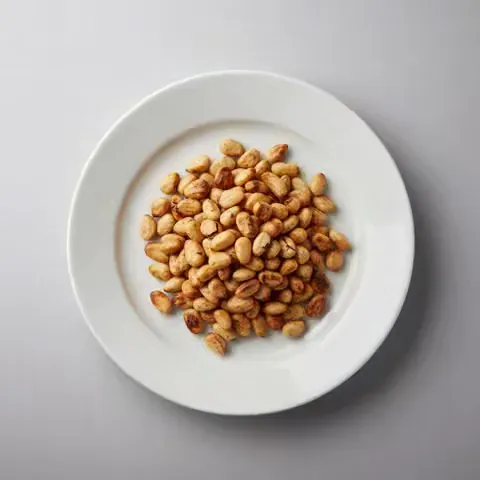 Pine nuts, roastedFibre · 43 g
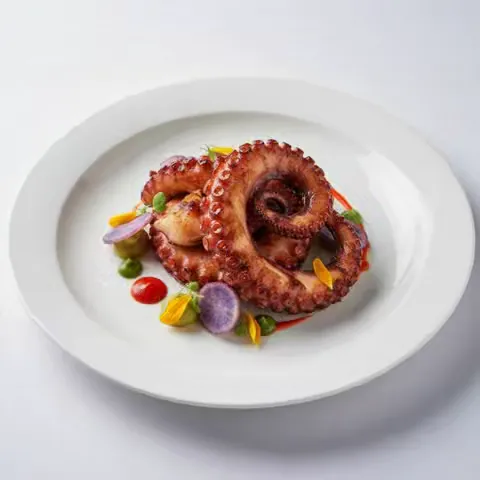 OctopusVitamin B12 · 13 µg
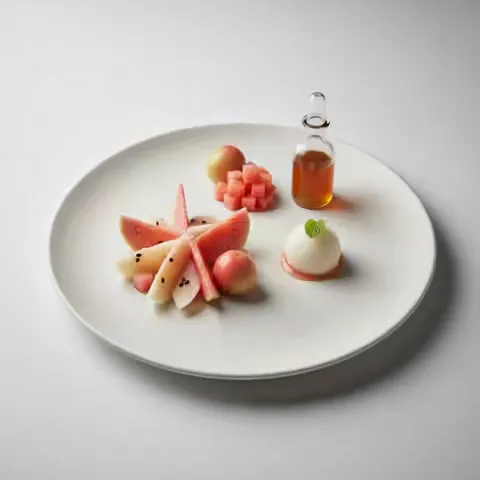 Guava, rawVitamin C · 228 mg
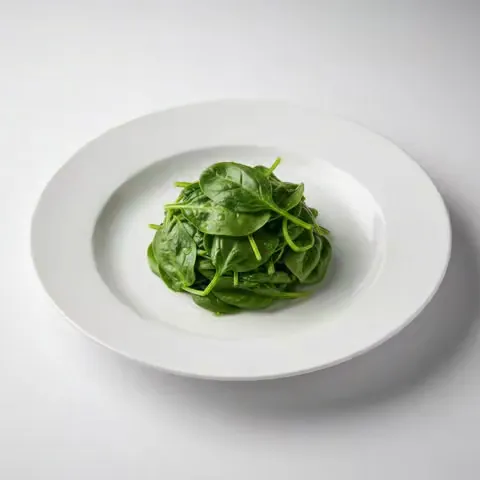 Spinach, cookedVitamin K · 566 µg
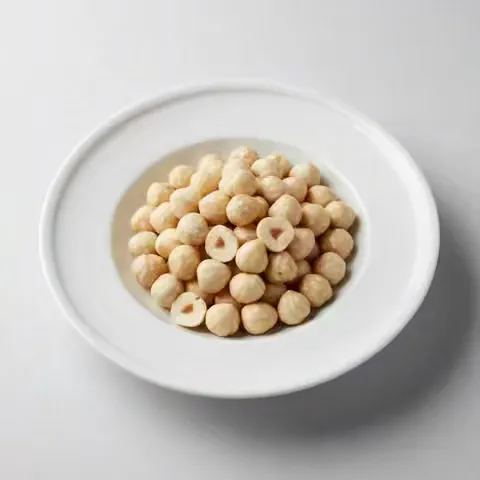 Hazelnuts, blanchedManganese · 13 mg
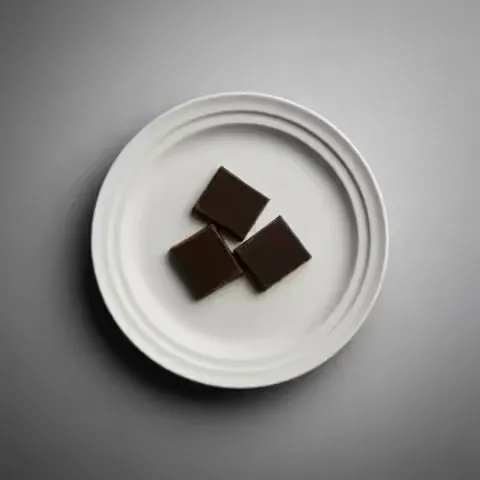 Unsweetened baking chocolateCopper · 3.2 mg
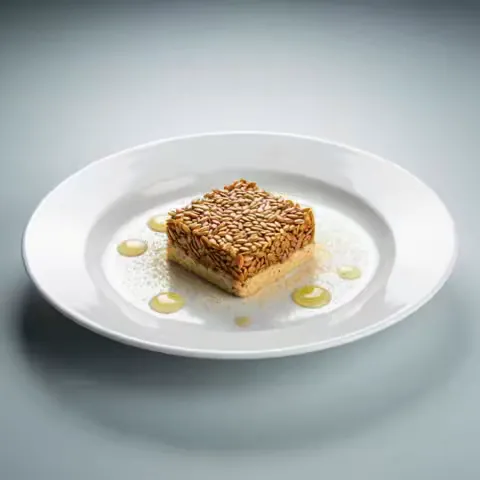 Flax seedsSelenium · 136 µg
One nutrient at a time
What it is for, how much you need at each age, the foods that carry the most of it — ranked from the same USDA records the app ships — and something to cook with it.
It is needed for more than three hundred enzyme reactions, most of it is stored in bone where a blood test cannot see it, and roughly half of adults in the US take in less than the recommended amount. Here is where to find it.
Read →mineralIron from plants and iron from meat are chemically different, and your gut treats them differently. Understanding which is which is the difference between eating a lot of iron and absorbing some.
Read →mineralAlmost all of it is in your skeleton, and the skeleton stops accepting deposits somewhere in your late twenties. What you build before then is what you spend for the rest of your life.
Read →mineralThe body stores almost none of it, which means intake has to be steady rather than occasional. It is also the reason a blunted sense of taste is one of the earliest signs that intake has been low for a while.
Read →mineralPublic health advice has spent forty years telling people to eat less sodium. The ratio between sodium and potassium turns out to predict blood pressure better than either number alone — and almost nobody is short of sodium.
Read →mineralIt is in every cell, in every energy transaction and in most processed food. Deficiency from diet alone is close to unheard of in healthy people — which makes the interesting question the opposite one.
Read →mineralThe selenium content of a plant reflects the selenium in the soil it grew in, and that varies by more than a hundredfold across the world. It is one of the few nutrients where geography is the main variable.
Read →mineralYou can eat plenty of iron and still be anaemic if copper is short, because the enzyme that loads iron onto its transport protein is a copper enzyme. It is a small requirement with an outsized failure mode.
Read →mineralA cup of tea, a bowl of oats and a handful of nuts will cover a day’s requirement between them. Dietary deficiency in humans is so rare that most of what is known comes from experimental studies rather than from patients.
Read →vitaminRetinol from animal food and carotenoids from plants are both called vitamin A, and they behave nothing alike. One accumulates and can reach toxic levels; the other is converted only as needed and essentially cannot.
Read →vitaminThe evidence that it prevents colds is weak and has been for fifty years. The evidence that without it your body cannot build connective tissue is absolute — that is what scurvy is.
Read →vitaminAlmost every other nutrient comes from food. This one is made in your skin from sunlight, which is why the advice about it changes with latitude, season and how much of the year you spend indoors.
Read →vitaminCell membranes are built from fats, and fats go rancid. Vitamin E is the molecule that sits in the membrane and stops the chain reaction before it spreads.
Read →vitaminThe K is for Koagulation, from the German paper that described it. Ninety years later the clotting role is still the reason newborns are given an injection of it on the day they are born.
Read →vitaminBeriberi appeared across Asia in the nineteenth century, spread by a piece of technology: the machine that strips the bran off rice. The vitamin is in the part that was being thrown away.
Read →vitaminThat bright yellow after a multivitamin is riboflavin being excreted, and it is harmless. It is also a useful reminder of what the vitamin is: something the body takes what it needs from and discards the rest of, daily.
Read →vitaminUnusually, you can build niacin from tryptophan — an amino acid in protein. That is why pellagra struck maize-eating populations and not the people whose staple was wheat.
Read →vitaminThe name is a description of where it is found, which is essentially all food. Isolated deficiency has been produced experimentally and is otherwise close to unknown.
Read →vitaminIt runs more than a hundred enzyme reactions, almost all of them involving amino acids. It is also the only water-soluble vitamin where long-term high supplement doses are known to cause nerve damage.
Read →vitaminNo plant makes B12. Neither does any animal — bacteria make it, and animals accumulate it. That single fact decides everything about who needs to pay attention to it.
Read →vitaminThe neural tube closes within the first 28 days of pregnancy — often before a woman knows she is pregnant. That single piece of timing is why folate is fortified into flour in more than eighty countries.
Read →vitaminIt was assumed for decades that the body made enough of its own. It does make some — just not enough — and most adults take in less than the recommendation, which was only published in 1998.
Read →macronutrientThe RDA is the amount that prevents deficiency in almost everyone — which is a different question from the amount that is optimal for an athlete, or for someone over seventy trying not to lose muscle.
Read →macronutrientBy definition your body cannot break it down. The bacteria in your colon can, and what they make out of it turns out to be most of the reason fibre matters.
Read →It is the food composition database published by the United States Department of Agriculture. It records how much of each nutrient a food contains, measured in laboratories and compiled over decades. It covers raw ingredients, branded products and prepared dishes, and it is the reference most nutrition software in the world is ultimately built on.
Because the value was never measured for that food. A dash means "unknown"; a zero means "measured, and there is none". Collapsing the two would be the single most misleading thing a nutrition app can do, so the app keeps them apart everywhere it shows them.
They are good estimates, and they are estimates. The real nutrient content of a food varies with variety, soil, season, storage time and how it was cooked — boiling leaches water- soluble vitamins, for one. Use the figures to compare foods and spot patterns, not to certify an intake.
Yes — energy, protein, fat, carbohydrate, fibre and sugars, per serving and per 100 g, alongside the micronutrients. The point is not to replace macro tracking but to stop it being the only thing you can see.
Or read how the data is used to plan a week.