
Put the kitchen in
Scan a barcode or search the catalogue. Record the batch, the quantity and the date it goes off, in whichever of pantry, fridge or freezer it lives.
The kitchen
Most food waste is not a moral failing. It is an inventory problem, and inventory problems have solutions.
A meal plan that ignores what is already in your cupboards is a plan that sends you shopping for things you own and lets the rest go off quietly behind the pasta. Wise Eating keeps a real inventory, and plans against it.
Scan a barcode or search the catalogue. Record the batch, the quantity and the date it goes off, in whichever of pantry, fridge or freezer it lives.
A week built against your stock rather than against an empty kitchen. The half bag of lentils counts before the shopping list does.
The list is what the plan needs minus what is already in the house — so you stop buying the third jar of cumin.
Consumption comes off the stock as you cook, so the next plan starts from a number that is still true.
Every batch carries its own date, not the product's. Two tubs of yoghurt bought a week apart are two entries, and the one going off on Thursday is the one the app will suggest you cook with.
Price tracking is optional and off to one side, because not everybody wants their dinner audited. Turn it on and the plan carries an estimated cost, the shopping list adds up, and you can see which weeks were expensive and why.
It is the same mechanism as the nutrients: the numbers are estimates, they are honest about being estimates, and they are enough to make a decision with.
What is on the shelf
Every food in the app carries its own picture, taken for the archive rather than bought from one. Here are twenty of them, each filed under the nutrient it is known for.
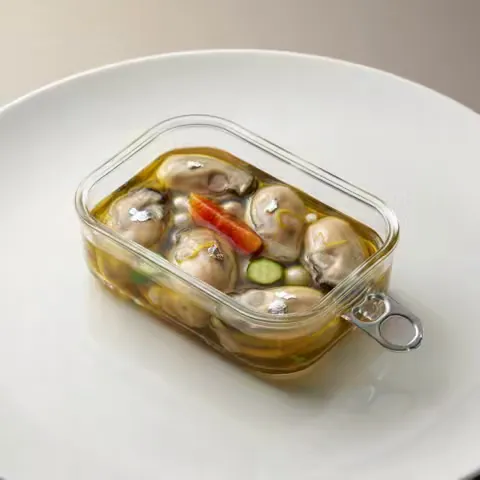 Oysters, cannedZinc · 99 mg
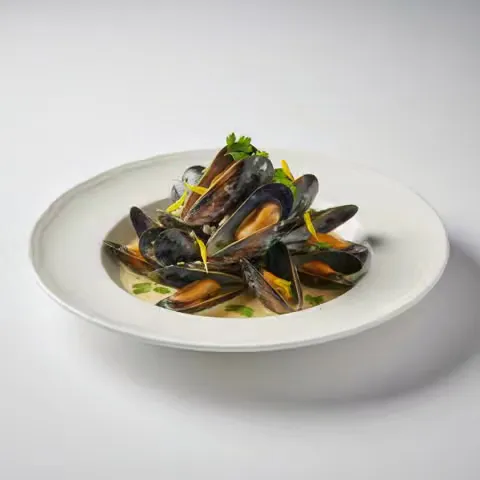 MusselsVitamin B12 · 13 µg
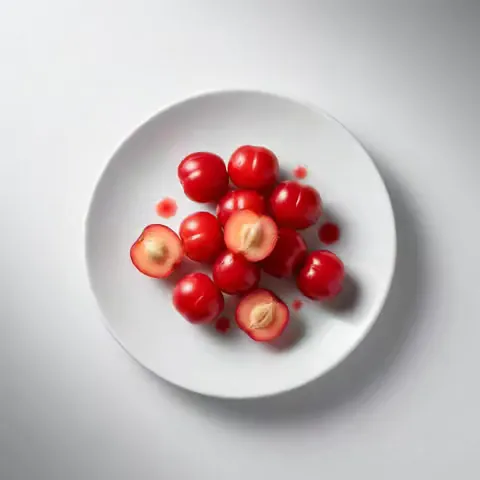 Acerola cherry, rawVitamin C · 1,680 mg
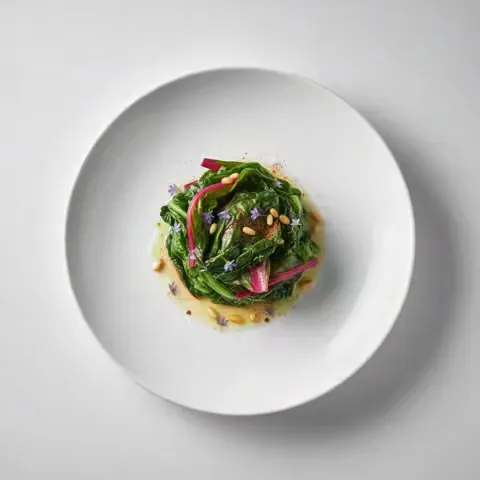 Chard, cookedVitamin K · 866 µg
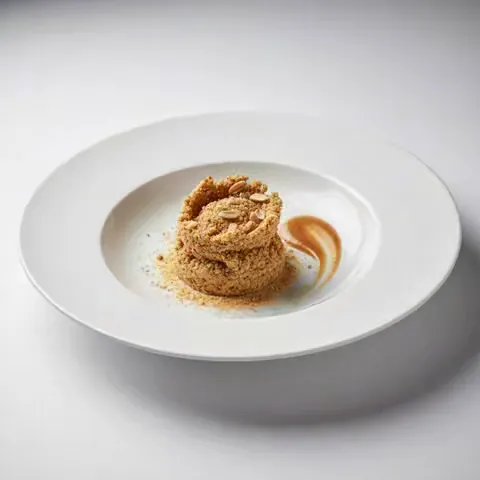 Wheat germ, rawManganese · 13 mg
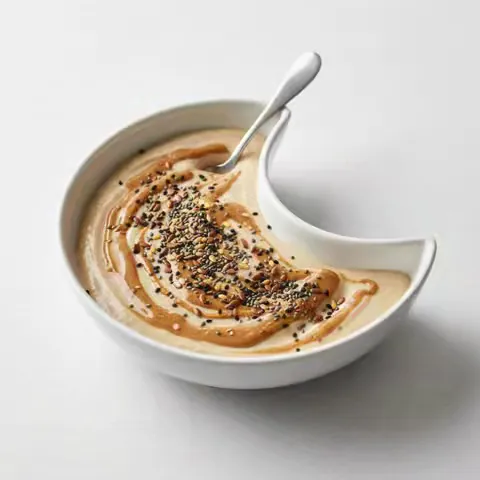 Sesame pasteCopper · 4.2 mg
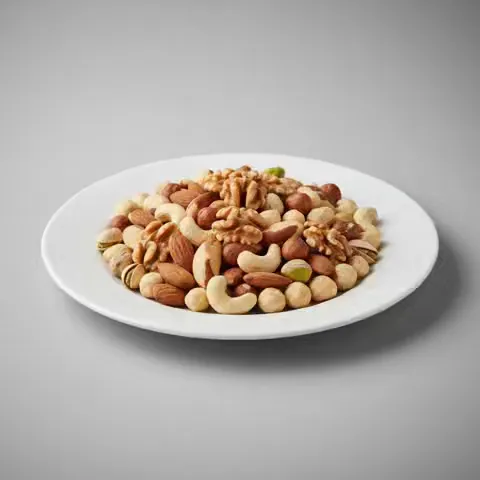 Mixed nuts, rawSelenium · 147 µg
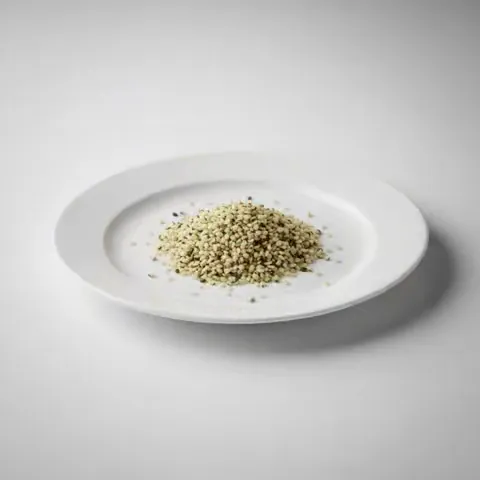 Hemp seeds, hulledMagnesium · 700 mg
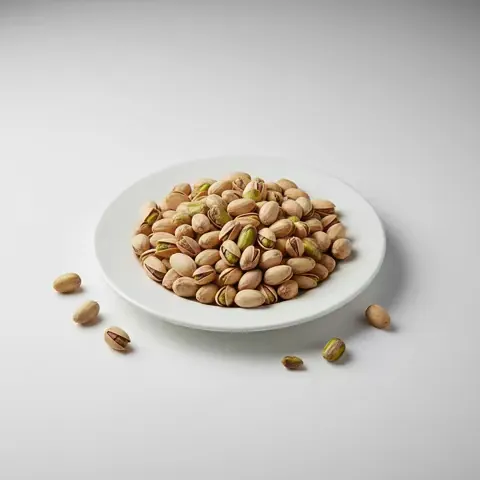 Pistachios, rawVitamin B6 · 1.7 mg
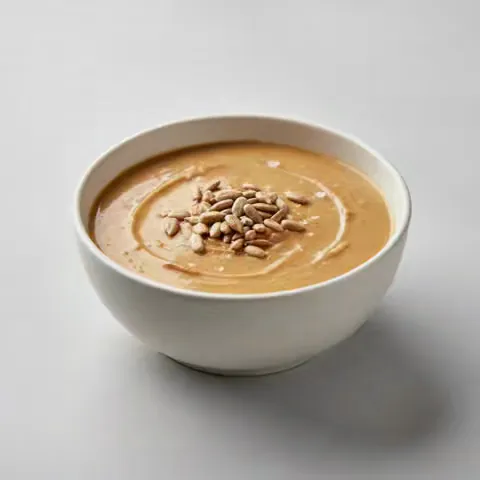 Sunflower seed butter, saltedVitamin E · 45 mg
 Egg yolk, rawCholine · 820 mg
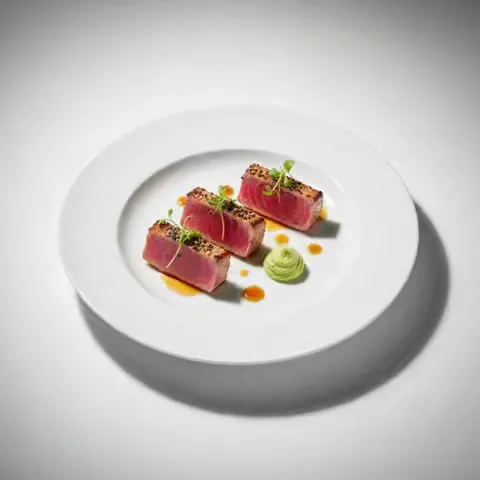 Tuna, cookedNiacin · 23 mg
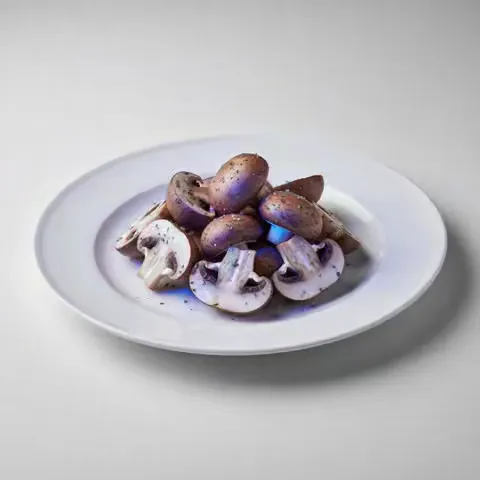 Chestnut mushrooms, UV-treated, rawVitamin D · 32 µg
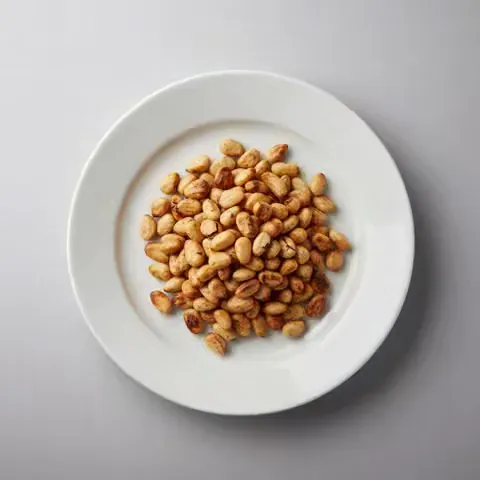 Pine nuts, roastedFibre · 43 g
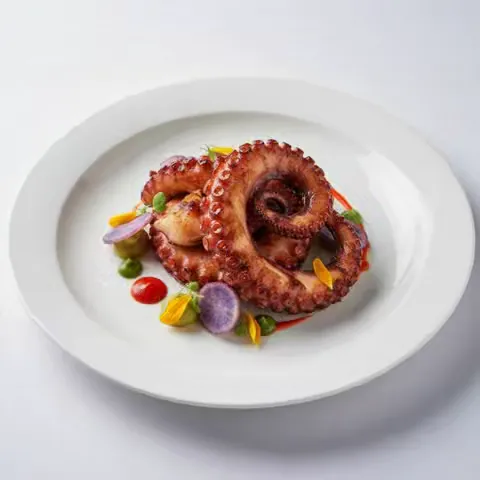 OctopusVitamin B12 · 13 µg
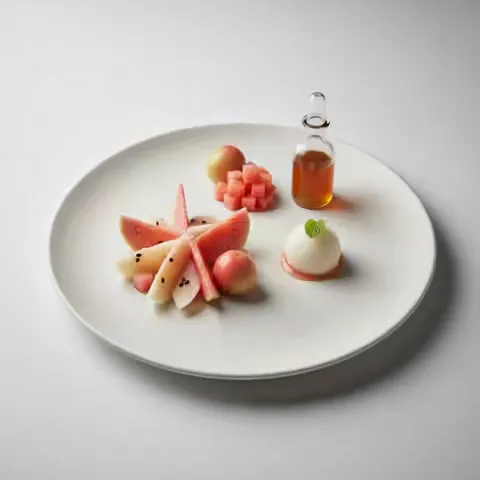 Guava, rawVitamin C · 228 mg
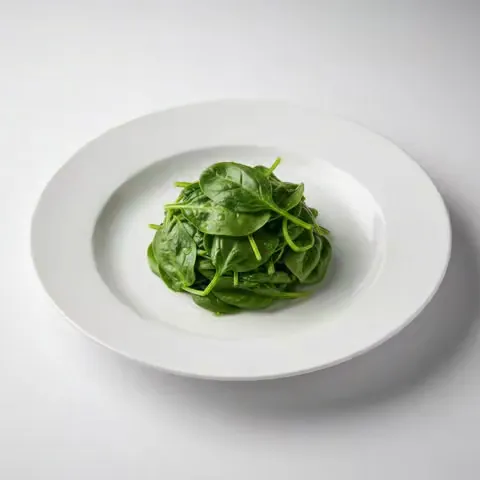 Spinach, cookedVitamin K · 566 µg
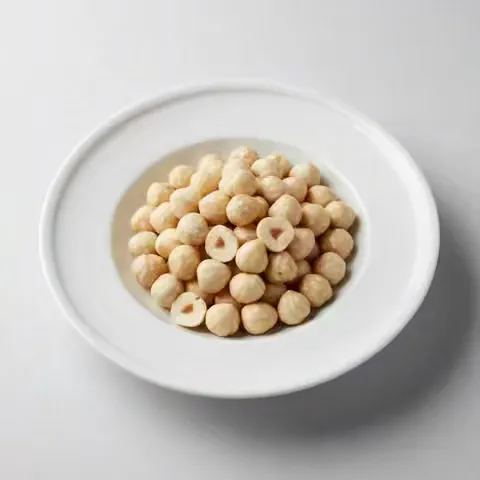 Hazelnuts, blanchedManganese · 13 mg
 Unsweetened baking chocolateCopper · 3.2 mg
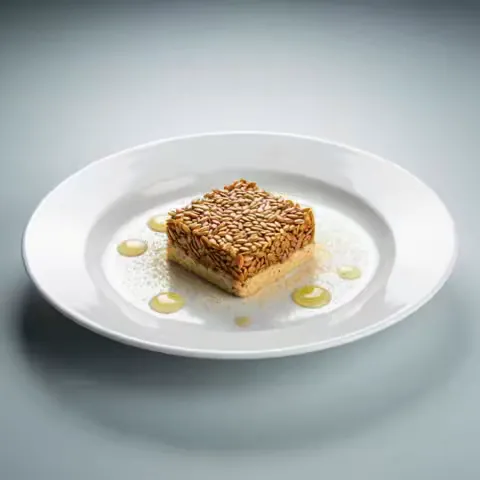 Flax seedsSelenium · 136 µg