
Mineral
Potassium
Public health advice has spent forty years telling people to eat less sodium. The ratio between sodium and potassium turns out to predict blood pressure better than either number alone — and almost nobody is short of sodium.
What it does
Potassium is the main positively charged ion inside your cells, as sodium is outside them. The difference across the membrane is what a nerve impulse actually is: a brief, controlled collapse of that gradient, followed by pumping it back. Every heartbeat runs on the same mechanism.
At the kidney, potassium and sodium are handled together. Higher potassium intake increases sodium excretion, which is the mechanism behind its effect on blood pressure — and why the ratio between the two matters more than either figure by itself.
It is also involved in moving glucose into muscle and in maintaining bone, though both effects are smaller and less certain than the cardiovascular one.
How much you need
| Who | Per day | Note |
|---|---|---|
| Infants, 0–6 months | 400 mg | Adequate Intake |
| Infants, 7–12 months | 860 mg | Adequate Intake |
| Children, 1–3 years | 2,000 mg | — |
| Children, 4–8 years | 2,300 mg | — |
| Children, 9–13 years | 2,500 mg | — |
| Men, 19 and over | 3,400 mg | — |
| Women, 19 and over | 2,600 mg | — |
| Pregnancy | 2,900 mg | — |
All of these are Adequate Intakes rather than RDAs — the evidence was not judged strong enough to set a recommended allowance. The figures were revised downwards in 2019, so older articles quoting 4,700 mg for every adult are citing a superseded number.
From our own data
The foods highest in potassium
Bananas have the reputation and are nowhere near the top. Beans, potatoes with their skin, leafy greens and dried fruit all carry more, and the potato in particular is the food most people underestimate by the widest margin.
- 1
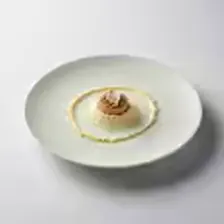 Soy flour, full-fat54% · DV
 - 2
 Hearts of palm, raw38% · DV
 - 3
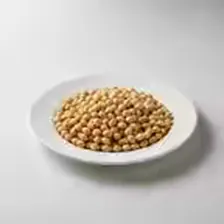 Soybeans, dry38% · DV
 - 4
 Molasses31% · DV
 - 5
 Brunost (whey cheese)30% · DV
 - 6
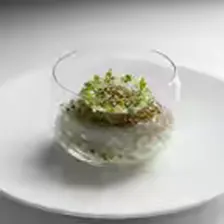 Garden cress seed30% · DV
 - 7
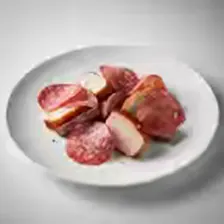 Salami, low salt29% · DV
 - 8
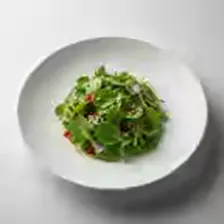 Fat hen (lambsquarters), raw27% · DV
 - 9
 Potato sticks26% · DV
 - 10
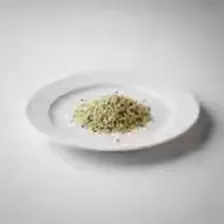 Hemp seeds, hulled26% · DV
 - 11
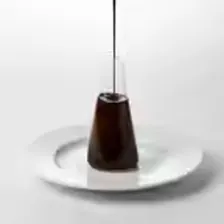 Unsweetened baking chocolate, liquid25% · DV
 - 12
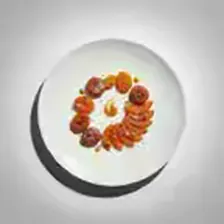 Apricots, dried25% · DV
Per 100 g, from our copy of USDA FoodData Central, against a Daily Value of 4,700mg. Ranked by amount, not by how much of it your body actually takes up — read the next section before you act on the order.
The table above is per 100 g. The app weighs the portion you actually ate.
What helps, and what gets in the way
Helps
- Cooking methods that keep the water: roasting and steaming rather than boiling
- Eating potatoes and sweet potatoes with the skin on
- Beans and lentils, which are dense in it and cheap
Gets in the way
- Boiling and draining, which leaches a large share into water you pour away
- Some diuretics, which increase urinary loss substantially
- Chronic vomiting or diarrhoea
Potassium from food is absorbed efficiently and the body regulates the rest through the kidney, so the practical question is intake rather than uptake. One genuine caution: people with reduced kidney function, and people on ACE inhibitors, ARBs or potassium-sparing diuretics, can retain too much. For them high-potassium foods and salt substitutes are a matter for their clinician, not for an article.
Who tends to fall short
Groups where intake or absorption is commonly lower than the reference. It is a list of populations, not a list of symptoms — it cannot tell you anything about yourself.
- Anyone eating few vegetables, fruit or legumes — which is most of a typical Western diet
- People on thiazide or loop diuretics
- People with inflammatory bowel disease or chronic diarrhoea
- Heavy drinkers
Cook it
Roast potato and white bean salad
Two as a main, four as a side
Ingredients
- 600 g small potatoes, skin on, halved
- 1 tin cannellini beans, drained
- 2 tbsp olive oil
- 1 tbsp red wine vinegar
- 1 tsp Dijon mustard
- A large handful of parsley, chopped
- 2 spring onions, sliced
Method
- 1Leave the skins onA meaningful share of a potato’s potassium sits in and just under the skin, and peeling is the single easiest way to throw it away.
- 2Roast, do not boilToss in one tablespoon of the oil, 200°C, 30–35 minutes until the cut faces are golden. Boiling would put a third of the potassium into water you then pour down the sink.
- 3Dress while hotWhisk the vinegar, mustard and remaining oil. Pour it over the potatoes straight out of the oven — hot potato absorbs dressing, cold potato wears it.
- 4Fold in the restBeans, parsley and spring onion, gently, so the potatoes stay whole.
If you are on a potassium-sparing diuretic, an ACE inhibitor or an ARB, or have reduced kidney function, talk to your clinician before making high-potassium meals a habit.
Sources
- NIH Office of Dietary Supplements — Potassium
- Dietary Reference Intakes for Sodium and Potassium
- USDA FoodData Central
This page is education, not medical advice. It does not diagnose anything and it is not a substitute for a clinician who knows your history. If you think you are short of potassium, the answer is a blood test and a conversation, not a supplement bought on the strength of an article.
Every food above, and 12,601 more, with the full panel — in the app.