
Vitamin
Vitamin E
Cell membranes are built from fats, and fats go rancid. Vitamin E is the molecule that sits in the membrane and stops the chain reaction before it spreads.
What it does
Every cell membrane is a double layer of fatty acids, and polyunsaturated ones oxidise readily. Once one does, it produces a radical that attacks the next — a chain reaction that would take a membrane apart. Alpha-tocopherol sits within the membrane and terminates that chain.
Having done so it is itself oxidised, and vitamin C regenerates it. The two vitamins are a relay across the fatty and watery compartments of a cell, which is why they are almost always discussed together.
There are eight naturally occurring forms, but human tissue selectively retains alpha-tocopherol; the liver has a transfer protein specifically for it and lets the others go. That is why the requirement is written in alpha-tocopherol and not in "vitamin E".
How much you need
| Who | Per day | Note |
|---|---|---|
| Infants, 0–6 months | 4 mg | Adequate Intake |
| Infants, 7–12 months | 5 mg | Adequate Intake |
| Children, 1–3 years | 6 mg | — |
| Children, 4–8 years | 7 mg | — |
| Children, 9–13 years | 11 mg | — |
| Ages 14 and over | 15 mg | — |
| Breastfeeding | 19 mg | — |
Requirement rises with polyunsaturated fat intake, since that is what vitamin E is protecting. Conveniently, the foods highest in polyunsaturated fat — seeds, nuts, vegetable oils — are also the foods highest in vitamin E, so the two tend to arrive together.
From our own data
The foods highest in vitamin e
Seeds, nuts and the oils pressed from them, then green leaves and avocado. There is very little in animal food, and almost none in refined carbohydrate.
- 1
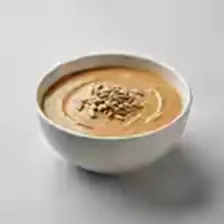 Sunflower seed butter, salted300% · DV
 - 2
 Pecans178% · DV
 - 3
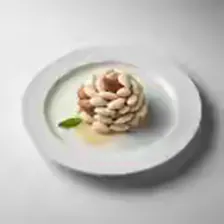 Almonds, raw171% · DV
 - 4
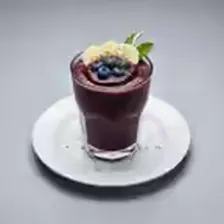 Açaí juice blend148% · DV
 - 5
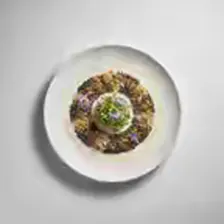 Mixed seeds131% · DV
 - 6
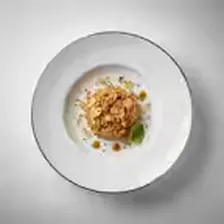 Wheat germ107% · DV
 - 7
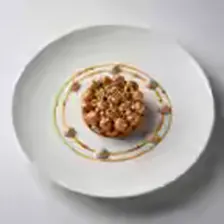 Hazelnuts100% · DV
 - 8
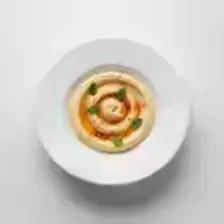 Hummus, shop-bought100% · DV
 - 9
 Garlic bread, frozen91% · DV
 - 10
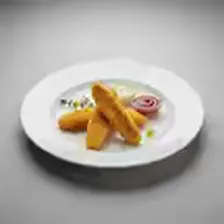 Chicken goujons, restaurant91% · DV
 - 11
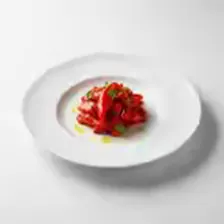 Red peppers, sautéed88% · DV
 - 12
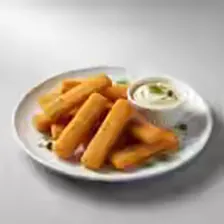 Fish fingers, cooked87% · DV
Per 100 g, from our copy of USDA FoodData Central, against a Daily Value of 15mg. Ranked by amount, not by how much of it your body actually takes up — read the next section before you act on the order.
The table above is per 100 g. The app weighs the portion you actually ate.
What helps, and what gets in the way
Helps
- Fat in the meal, as with all the fat-soluble vitamins
- Eating the nuts and seeds rather than the oils, which brings fibre and minerals with it
- Adequate vitamin C, which regenerates it after it has done its job
Gets in the way
- Fat malabsorption of any cause
- Very low-fat diets
- Deep frying and prolonged high heat, which destroy it in the oil itself
High-dose supplements have repeatedly failed to show the benefits the biochemistry suggested, and some trials found harm at 400 IU a day and above — including more haemorrhagic stroke, since vitamin E has a mild anticoagulant effect. This is one of the clearest cases in nutrition of a nutrient that is essential in food and unhelpful in a capsule.
Who tends to fall short
Groups where intake or absorption is commonly lower than the reference. It is a list of populations, not a list of symptoms — it cannot tell you anything about yourself.
- Genuinely rare in people eating an ordinary diet
- People with cystic fibrosis, cholestatic liver disease or pancreatic insufficiency
- Very premature infants
- People with abetalipoproteinaemia, a rare inherited disorder of fat transport
Cook it
Almond, sunflower seed and spinach pesto
Makes a jar; ten minutes
Ingredients
- 60 g almonds, toasted
- 30 g sunflower seeds, toasted
- 100 g spinach leaves
- 1 clove garlic
- 120 ml olive oil
- Juice of half a lemon
- 30 g hard cheese, grated (optional)
Method
- 1Toast the nuts and seedsEight minutes at 180°C, or in a dry pan with attention. Untoasted almonds make a pesto that tastes of nothing in particular.
- 2Blitz the solids firstNuts, seeds, garlic and spinach to a rough rubble before any oil goes in. Adding oil early makes it emulsify into a paste rather than break down.
- 3Add the oil in a streamMotor running, slowly. This is where the vitamin E is — both from the oil and from what the oil is carrying out of the nuts.
- 4Season lastLemon, then cheese if you are using it, then taste before adding any salt. Hard cheese is salty enough that many jars need none.
Spinach instead of basil is not a compromise — it is milder, cheaper, available all year, and carries vitamin E and vitamin K of its own.
Sources
- NIH Office of Dietary Supplements — Vitamin E
- Dietary Reference Intakes for Vitamin C, Vitamin E, Selenium and Carotenoids
- USDA FoodData Central
This page is education, not medical advice. It does not diagnose anything and it is not a substitute for a clinician who knows your history. If you think you are short of vitamin e, the answer is a blood test and a conversation, not a supplement bought on the strength of an article.
Every food above, and 12,601 more, with the full panel — in the app.